
Johnston County Arrest Records and Court Charges
Arrest records in Johnston County start with a law-enforcement event. A person may be taken to the Johnston County Jail, booked by the Sheriff's Office, and listed in the current inmate inquiry if still in custody. The public inmate list shows limited booking data, not the whole criminal case. It can show name, primary charge, and arrest date, while a detail profile may show age, race, sex, booking date, mugshot, charge, and arrest date. Bond amount, booking number, court date, warrant number, housing unit, and release date were not shown in the sample profile captured in the research.
Court charges after arrest are different. The District Attorney for Prosecutorial District 13 represents the State of North Carolina in Johnston County criminal cases and may screen, amend, reduce, dismiss, or pursue charges. Once a criminal case is filed, charge and hearing details move through the Clerk of Superior Court and the North Carolina eCourts Portal. The full case file, plea, disposition, sentence, and appeal entries belong with the criminal court record, while custody and current booking detail belong with the jail roster. For the custody side, use the Johnston County inmate records page; for final outcomes, use the criminal court records page.
The Johnston County Sheriff's Office homepage shows official links for inmate search and arrest search access.
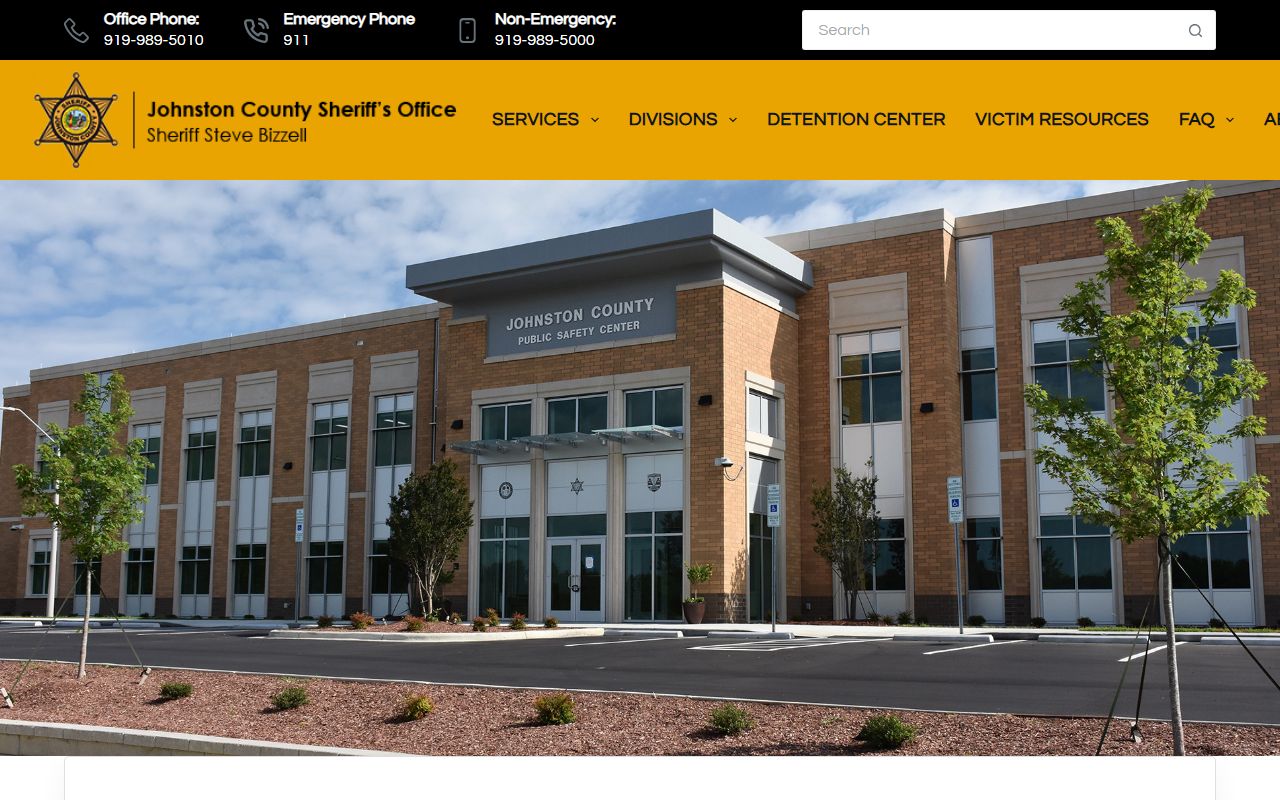
That sheriff source is useful for the arrest and booking side, but filed charges and case status still need the clerk or eCourts channel.
Find Johnston County Arrest Records
The strongest search path starts with the record type. If the person may be in custody now, use the Johnston County Inmate Inquiry. If the arrest was recent but the person may not still be held, use the JCSO Recent Arrest Search, which the research identifies as limited to the last 15 calendar days. If the question is whether the charge has become a court case, search North Carolina eCourts Portal by name or case number and filter to Johnston County when needed.
- Check the jail inquiry for a current inmate. Sort by last name, first name, arrest date, or charge description.
- Use the recent arrest search for arrests in the last 15 calendar days, especially when the person is no longer listed as a current inmate.
- Search Portal Smart Search for criminal cases by defendant name or case number. Use Advanced Filtering Options and choose Johnston County to narrow broad name results.
- Open the case summary and review charges, case events, hearings, dispositions, and financial information when those fields are public.
- Call the Clerk of Superior Court at (919) 209-5400 or the jail at (919) 989-5040 when a charge, bond, or case number cannot be confirmed online.
The Sheriff's detention center page provides the jail channel that supports custody questions after an arrest.
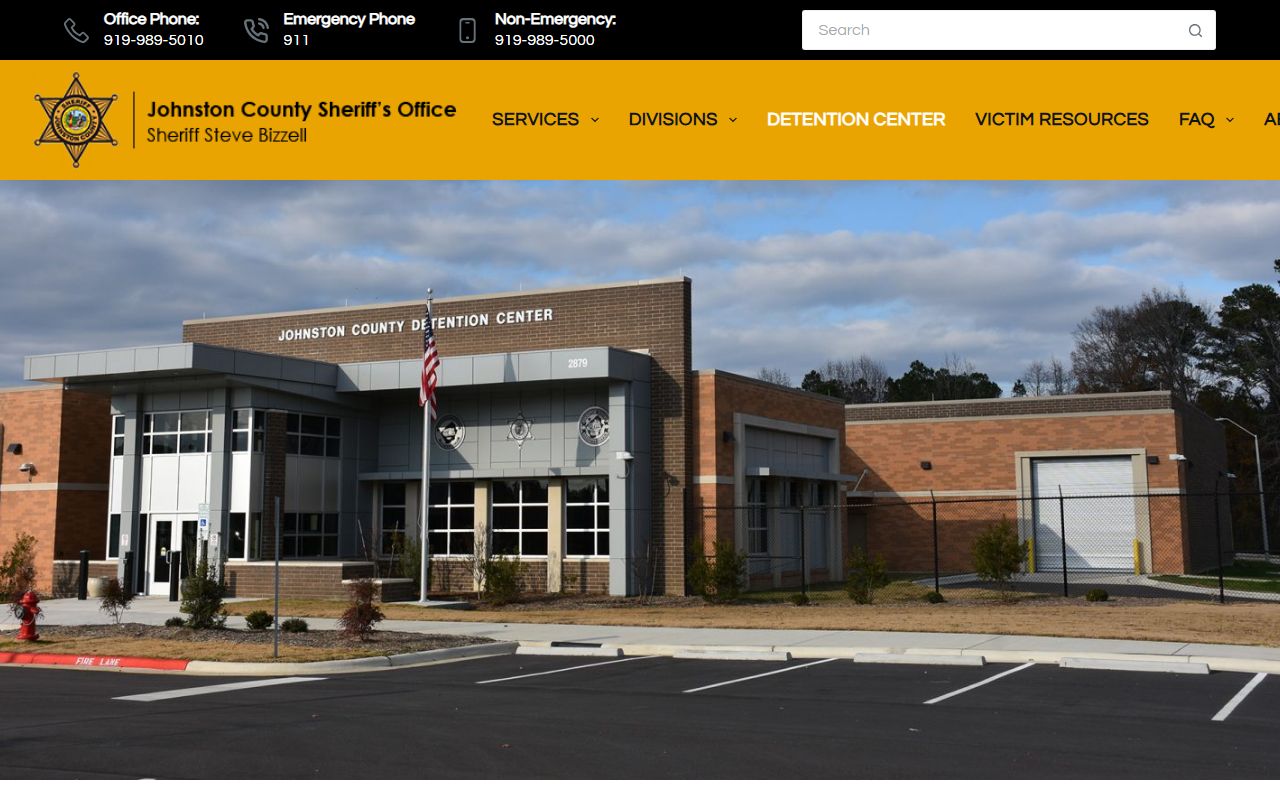
That detention source is best for current custody and jail contact paths, while the court case record remains with the Clerk of Superior Court and eCourts.
Johnston County Charge Documents
A charge record begins when the accusation is placed into the court process. North Carolina criminal matters in Johnston County move through District Court for misdemeanors, infractions, many first appearances, and traffic matters, and through Superior Court for felony cases and appeals from District Court. The filed document may not be visible as a scanned image to every public user, but the case summary can show charge, event, disposition, hearing, and financial information when public access rules allow it.
| Document Type | Who Usually Drives It | Johnston County Use | What To Check |
|---|---|---|---|
| Complaint or criminal process | Officer, magistrate, or prosecutor path | Common at the start of many District Court criminal matters after arrest or citation. | Look for charge name, case number, court date, bond or release references, and issuing official. |
| Information | Prosecutor | May be used when the State proceeds on a formal prosecutor-filed charge where allowed. | Check whether the charge was filed, amended, reduced, or resolved by plea. |
| Indictment | Grand jury and prosecutor | Key felony charging document for Superior Court cases. | Review indictment-related events, arraignment, plea, trial settings, and final disposition. |
The District Attorney's Office is not the record counter, but it is central to charge screening. District Attorney Jason Waller's office for Prosecutorial District 13 is listed at 125 S. Second St, Smithfield, with phone (919) 209-5520. The clerk remains the normal court-record access point for filed cases and certified copies.
Johnston County Charge Status
Charge status matters because an arrest does not freeze a case in place. A charge can be pending, amended, reduced, dismissed, resolved by plea, or sent to Superior Court through felony indictment. Portal case summaries may show the register of actions, case events, dispositions, hearings, and financial data. A record may also contain multiple charges from one arrest, and each charge can have a different status.
| Status | What It Means | Where To Verify |
|---|---|---|
| Pending | The charge has not reached final disposition. Hearings, bond terms, and motions may still be active. | Portal Smart Search, Search Hearings, or Clerk of Superior Court. |
| Amended or reduced | The filed accusation changed, often through prosecutor review, plea negotiation, or court order. | Case events, disposition entries, and DA or clerk channels. |
| Dismissed | The charge was ended by court or prosecutorial action. Dismissal does not always erase the public record. | Case disposition in eCourts or certified clerk copy. |
| Nolle prosequi | The State declines to continue prosecution of that charge at that stage. | Clerk record and court disposition entries. |
| Convicted | A plea or finding established guilt, followed by sentence, costs, probation, or other terms. | Criminal case summary, judgment, and clerk copy. |
Note: For bond or release status after booking, call the jail, magistrate, or clerk because online case data can lag custody events.
Johnston County Booking Fields
The jail search gives a narrow arrest-side view. The public list captured in the research showed a current jail population count, a last-updated timestamp, and columns for Name, Primary Charge, and Arrest Date. Each listed name links to a public profile. That profile can help connect a recent arrest to a charge term, but it should not be treated as the court's final charge list or as proof of conviction.
| Field | What It Shows |
|---|---|
| Name | The inmate name shown on the jail list or profile. |
| Primary Charge | The lead charge visible on the current inmate list. |
| Arrest Date | The date tied to the jail entry or listed charge. |
| Booking Date | The date shown on the inspected profile after a person was booked. |
| Mugshot | The sample profile included an inmate photo, but that does not make the page a complete booking database. |
| Not shown in sample | Bond amount, court date, release date, warrant number, attorney, and housing unit were not visible in the captured profile. |
The JCSO inmate-search page is the official route for the roster link and detention contact context.
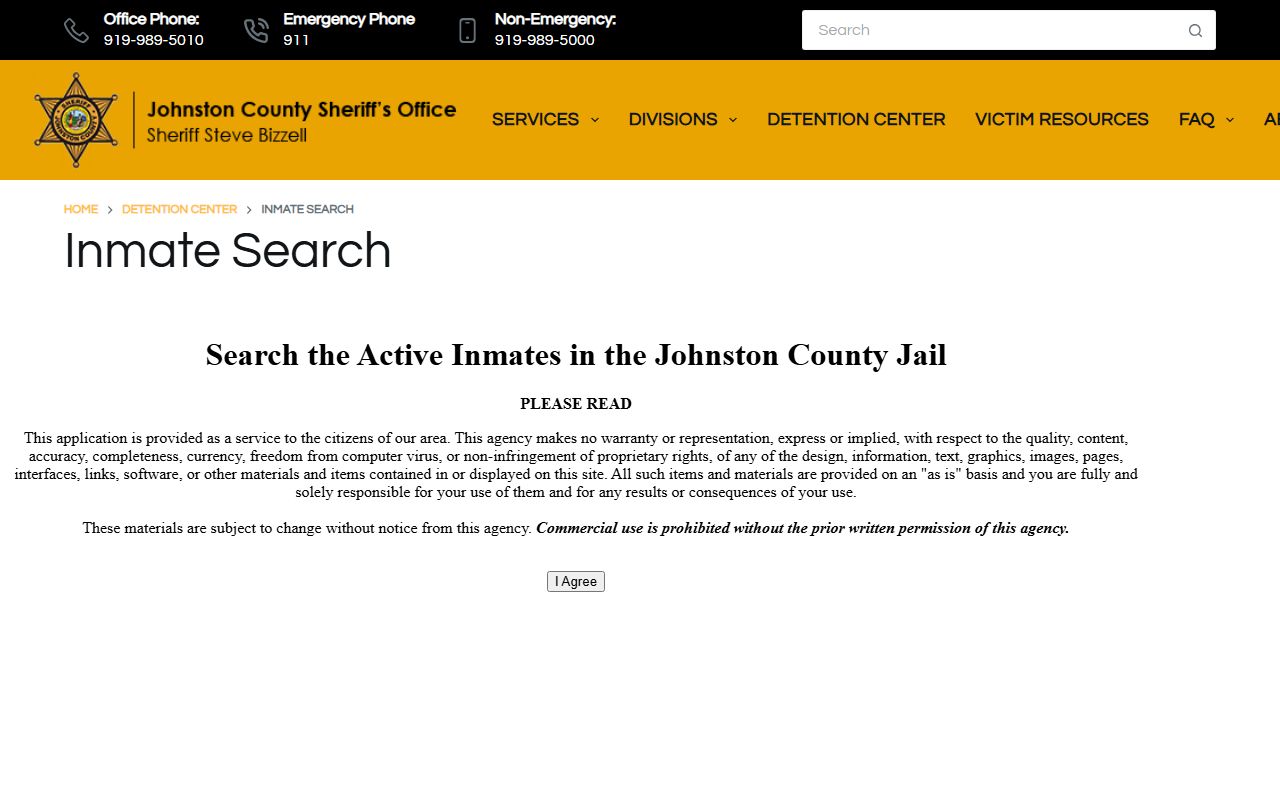
That roster can confirm a current custody record, but a filed criminal case should still be checked through eCourts or the clerk.
Johnston County Charges vs Convictions
A charge is an accusation. A conviction is a final guilty outcome by plea or finding. This distinction is important for Johnston County arrest records because the arrest search or inmate list may show a charge before the court decides the case. The official court record is the better place to confirm whether the charge was dismissed, reduced, amended, or resulted in conviction and sentence.
| Comparison Point | Charge | Conviction |
|---|---|---|
| Stage | Filed accusation after arrest, citation, warrant, indictment, or other criminal process. | Final guilty result by plea, verdict, or court finding. |
| Record source | May appear in jail, recent arrest, clerk, and eCourts records. | Appears in court disposition, judgment, sentence, and sometimes DMV or correction records. |
| Meaning | Does not prove guilt. | Establishes guilt for that charge unless later vacated, appealed, or expunged. |
| Best check | Recent arrest search, inmate inquiry, Smart Search, clerk call. | Criminal case disposition, certified clerk copy, and sentencing entry. |
Johnston County Recent Arrest Search
The recent arrest search is a fallback for short-term arrest records, not an active warrant list and not a complete criminal history. The research captured its name and date fields and confirmed the 15-calendar-day limit. Use it when an arrest is too new to be easy to find in a court search or when the person is not on the current inmate list.
| Field Label | Type | Required | Options / Format Notes |
|---|---|---|---|
| First Name | Text | Optional | Can narrow a name search. |
| Last Name | Text | Required for name search | Marked with an asterisk in the captured source. |
| Beginning Date | Date | Required for date range | Use mm/dd/yyyy within the last 15 calendar days. |
| Ending Date | Date | Required for date range | Use mm/dd/yyyy within the last 15 calendar days. |
| Search | Button | n/a | Submits the query. |
The official Johnston County recent arrest search is the source for that short date-range search.
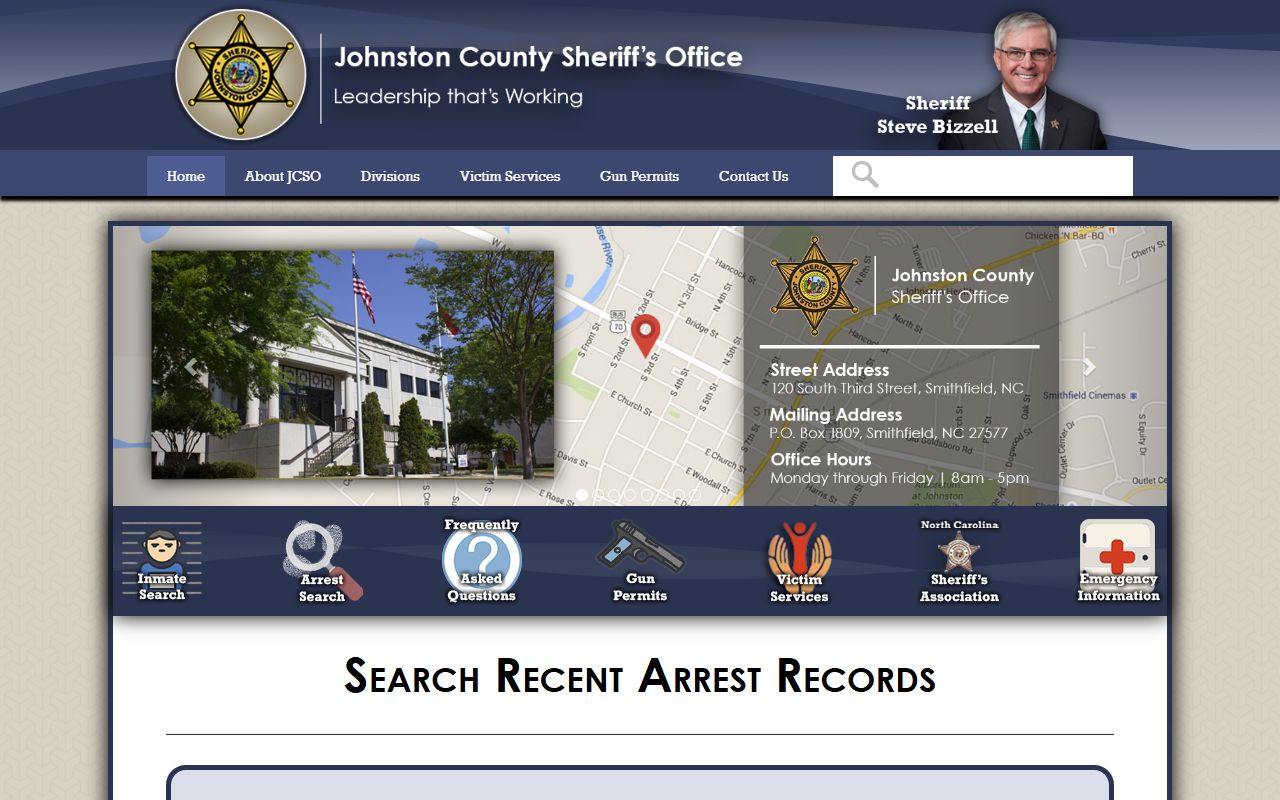
The date limit is why older charge checks should move to the Clerk of Superior Court, eCourts, or the criminal case file.
Restricted Johnston County Charge Records
Public access is broad, but it is not unlimited. North Carolina public-record rules and court-record statutes support inspection of many clerk records, yet juvenile, sealed, expunged, abuse, neglect, dependency, mental-health, adoption, and protected personal data are treated differently. G.S. 7A-109 addresses clerk recordkeeping and public inspection except where the law prohibits access. G.S. 7B-3000 and G.S. 7B-2901 are key juvenile and abuse, neglect, and dependency limits.
| Record Type | Public Effect | Research Basis |
|---|---|---|
| Sealed record | Still may exist for court, law-enforcement, or statutory purposes, but ordinary public access is limited. | Restricted-record summary in Section 8. |
| Expunged record | Removed from ordinary public criminal-record access if the court grants relief under a valid statute. | North Carolina expunction statutes including G.S. 15A-145 and 15A-145.5. |
| Juvenile record | Not handled like an adult criminal charge record. | G.S. 7B-3000 and related juvenile record rules. |
Important: Do not use arrest or charge data as proof of guilt; verify the final disposition with the Clerk of Superior Court.